

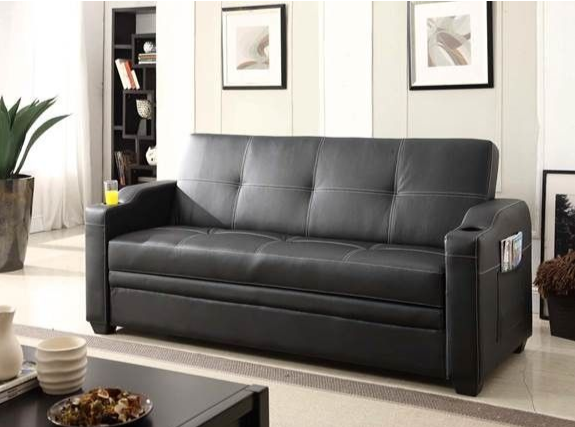

A room’s comfort is more than just its temperature or lighting. The way it feels, the atmosphere it radiates, and the subtle sense of relaxation all start with the furniture. And not just the shape or placement, but the texture, material, and quality of what covers it. Furniture upholstery often holds the secret to a cozy space. It bridges functionality with design, adding layers of warmth, softness, or cool sophistication.
The Role of Texture in Creating a Relaxing Environment
Texture impacts emotion. Soft, velvety fabrics bring a sense of luxury and calm. Woven materials feel earthy, grounded, and rustic. Leather leans into cool confidence. Texture is tactile and visual. The way a surface feels under your hand influences how you feel in a room.
Choosing the right fabric texture can turn a hard, impersonal room into a space where people want to stay. Plush surfaces on seating can make guests linger longer. Smooth, clean upholstery in calm tones helps in areas meant for focus.
Color Selection in Furniture Upholstery Influences Mood
Colors deeply affect our perception of space and our emotional responses to it. In upholstery, this is magnified. A deep navy sofa brings calm. An emerald green chair invites creativity. Pale neutrals open up small rooms and make them feel airy and clean.
Choosing the right upholstery color helps create balance. Cool tones calm. Warm tones comfort. Vibrant shades energize. All of this helps shape a space that feels just right, all depending on the mood you’re trying to create.
Furniture Upholstery Maintenance Plays a Role in Long-Term Comfort
Comfort isn’t only about the first impression. Over time, upholstery quality and maintenance determine whether a room continues to feel good. High-performance fabrics resist stains and fading. Removable covers allow easy cleaning. Materials that age gracefully—like certain leathers—bring evolving charm to a room.
If your seating is sagging or fabric is worn, it pulls down the entire atmosphere. Properly maintained furniture feels inviting and trustworthy. Investing in good-quality upholstery from the start means comfort that doesn’t fade with time—and it all begins with thoughtful choices in furniture upholstery.
Mixing Upholstery Styles Elevates Visual Comfort
One of the overlooked secrets in design is contrast. Combining different upholstery styles within the same room creates a layered, inviting feel. A sleek leather ottoman next to a tufted velvet chair balances modern edge with softness. Mixing subtle patterns with solids gives life to the eye without being overwhelming.
This blend adds interest and makes spaces feel curated rather than staged. It also prevents visual fatigue. When your eyes are pleased, your body relaxes. That’s the invisible power of intentional upholstery design.
Room Function Should Guide Upholstery Choice
Each room asks for something different. A reading nook needs softness and warmth. A dining area needs durability and ease of cleaning. A guest room benefits from neutral tones and cozy fabrics that appeal to many.
When choosing upholstery, consider the practical needs first. Then layer in beauty. Don’t sacrifice function for form—but don’t abandon personality either. The best furniture upholstery choices marry comfort, style, and use.
Conclusion
The comfort of a room is written in the details. Furniture upholstery is one of the quiet, powerful forces shaping how we feel in our spaces. It’s the texture that meets your skin. The color that calms your mind. The softness that invites you to stay. Thoughtfully chosen upholstery doesn’t just decorate—it transforms. By focusing on fabric, texture, and use, you create not just a look, but a lasting feeling.