

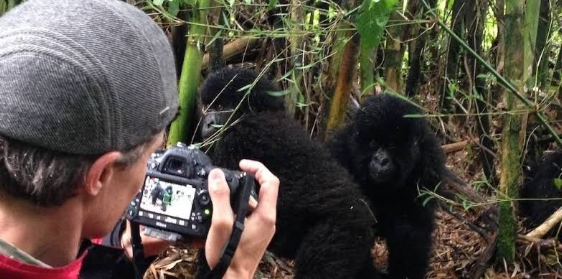

Few wildlife experiences compare with an hour spent beside a family of mountain gorillas. Uganda and Rwanda sit at the center of primate tourism in Africa. Between them they offer mountain gorillas, chimpanzees, golden monkeys and a long list of smaller forest species, all within a compact region where short flights or road transfers connect the major sites.
This guide covers what primate tours in Uganda and Rwanda involve, where to go, what permits cost, and how to choose between the two countries or combine them.
Why Uganda and Rwanda for Primate Tours?
Mountain gorillas live in only a few forest blocks in the world, and the Virunga Massif and Bwindi Impenetrable Forest hold nearly all of them. Uganda and Rwanda are the two countries where tourists can trek to see them reliably.
Both countries have built conservation models in which tourism revenue protects the animals and supports local communities. Permit fees fund anti-poaching patrols, park management and community projects. Mountain gorilla numbers have recovered from critically low levels in recent decades, and ethical, regulated tourism is a significant reason.
Success rates are high. Trekkers see gorillas on roughly 95% to 99% of treks across both countries. dumaexplorer
Primate Experiences in Uganda
Uganda is often called the primate capital of East Africa. Its range of species and experiences is wider than Rwanda’s.
Gorilla Trekking in Bwindi and Mgahinga
Bwindi Impenetrable National Park is a UNESCO World Heritage Site and Uganda’s best-known gorilla destination. Trekking is organized across several sectors (Buhoma, Ruhija, Rushaga and Nkuringo), each with its own habituated gorilla families and its own terrain and lodges. The forest is dense and steep, so treks can range from under two hours to most of a day.
Mgahinga Gorilla National Park lies in the Virunga volcanoes near the Rwandan and Congolese borders. It has fewer gorilla groups, so permit availability is tighter. It is better known for scenery and golden monkey tracking.
Gorilla Habituation Experience
Uganda is the only country that offers a longer encounter with gorillas still being habituated. The permit costs US$1,500 per person and allows up to four hours with a gorilla family, compared with one hour on a standard trek. africansafaris
Chimpanzee Trekking
Kibale National Park has one of the highest primate densities in Africa, with 13 species. Chimpanzee tracking is the highlight, and the park offers a half-day walk as well as a longer habituation option. Kyambura Gorge in Queen Elizabeth National Park offers cheaper chimp tracking in a dramatic sunken forest, and Budongo Forest near Murchison Falls is another option for chimpanzees.
Golden Monkeys and Other Primates
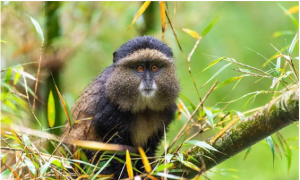
Mgahinga’s endangered golden monkeys are lively and photogenic, and they are easier to track than gorillas. Across Uganda’s forests, you can also see L’Hoest’s monkeys, red-tailed monkeys, black-and-white colobus and baboons.
Primate Experiences in Rwanda
Rwanda is smaller and tightly managed, and many travelers find it the more polished option.
Gorilla Trekking in Volcanoes National Park
Volcanoes National Park, near the town of Musanze, is Rwanda’s gorilla stronghold. It’s about a two-hour drive from Kigali, which makes it one of the most accessible gorilla destinations in Africa. Terrain is generally steep but more open than Bwindi, with bamboo and montane forest on volcanic slopes. Trek times vary, from about 90 minutes to 6 hours depending on where your assigned family is. dumaexplorer
Chimpanzees and Monkeys in Nyungwe Forest
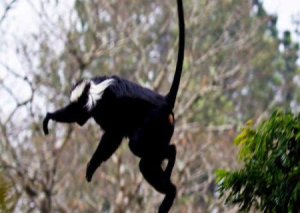
Nyungwe National Park in southwestern Rwanda is one of Africa’s oldest rainforests. It’s home to chimpanzees, large troops of colobus monkeys and a host of other primates, and it has a canopy walkway that gives a different view of the forest. It’s a good complement to the gorilla experience.
Golden Monkeys and Gishwati-Mukura
Volcanoes National Park also offers golden monkey tracking, and the smaller Gishwati-Mukura National Park gives a quieter chimpanzee and forest-primate experience.
Permit Costs: Uganda vs Rwanda
Permit prices are the biggest cost difference between the two countries. Figures below are for foreign non-residents and may change, so confirm them with a licensed operator before booking.
| Experience | Uganda | Rwanda |
| Gorilla trekking | $800 (about $600 in low-season months) | $1,500 |
| Gorilla habituation | $1,500 | Not offered |
| Chimpanzee trekking | About $250 (Kibale) | Lower-cost permits in Nyungwe |
| Golden monkey trekking | Lower-cost permit | Lower-cost permit |
Current guidance shows that a Uganda gorilla permit costs $800 per person in high season, or $600 in the low-season months of April, May and November, while a Rwanda permit costs $1,500 per person. Uganda’s tariff has been revised in the past, and a new tariff was announced in 2026, so check the latest published rates before committing. dumaexplorerdumaexplorer
All permits cover one hour with the animals, park entry and ranger-guide services. Minimum age is 15 in both countries.
Uganda or Rwanda: Which Should You Choose?
Choose Uganda if you want:
- Lower permit costs
- A broader mix of primates and wildlife
- More permit availability across several sectors
- The habituation experience
- A longer safari that includes game drives or boat trips
Choose Rwanda if you want:
- A short, efficient trip, since Volcanoes is only about two hours from Kigali
- Excellent road infrastructure and high-end lodges
- A shorter trek for fitness or time reasons
- A seamless add-on to a Kigali city stay
Choose both if you have the time and budget. Many travelers combine a Uganda gorilla trek and chimpanzee tracking in Kibale with a Rwanda visit to Volcanoes and Nyungwe. The border crossing at Cyanika or Katuna makes overland travel between the two feasible, and an operator can arrange the logistics.
Sample Itineraries
5-Day Rwanda Gorilla Express
Day 1 arrive in Kigali; Day 2 drive to Musanze; Day 3 gorilla trek; Day 4 golden monkey tracking or a cultural visit; Day 5 return to Kigali. Suited to travelers with limited time.
7-Day Uganda Primate Safari
Entebbe → Kibale (chimpanzees) → Queen Elizabeth (game drives, Kyambura Gorge) → Bwindi (gorillas) → return. A strong option for a mix of primates and classic wildlife.
10-Day Uganda and Rwanda Combination
Start in Entebbe, visit Kibale, Bwindi and Mgahinga in Uganda, cross into Rwanda for Volcanoes, and finish in Kigali. This gives you the widest primate variety on one trip.
For Uganda-focused trips, a 5-day gorilla safari can cost between $2,400 and $4,500 per person depending on accommodation quality. Rwanda trips typically cost more overall because of the higher permit, even when the trip is short. kabiraugandasafaris
When to Go
Gorilla trekking is possible year-round, and no single month guarantees a better gorilla encounter. dumaexplorer
- June to September: The drier season with easier trekking and more available lodging. It is also the busiest and most expensive period.
- December to February: A second, shorter dry season.
- March to May and October to November: Wetter months with muddier trails but fewer visitors, lower accommodation rates and, in Uganda, discounted permits in some months.
Whatever the season, bring waterproofs. Forest weather is unpredictable.
Practical Tips for Your Primate Tour
Book early. Permits are limited. Rwanda recommends booking 3 to 6 months in advance, especially for the dry season. Uganda permits for peak months can also sell out. dumaexplorer
Prepare physically. You do not need to be an athlete, but trekking at altitude on steep, muddy ground is demanding. Hire a porter, which supports local livelihoods and helps with your pack.
Pack well. Bring sturdy waterproof hiking boots, long trousers and sleeves, gardening gloves, a rain jacket, insect repellent and a camera with good low-light performance. Flash is prohibited.
Follow health rules. Gorillas are susceptible to human illnesses. Anyone with a cold or other contagious illness may be refused entry. Maintain the required distance (typically 7 meters) and wear a mask if requested by your guide.
Check vaccinations and insurance. Yellow fever requirements and malaria prophylaxis advice change, so consult a travel health clinic. Make sure your insurance covers adventure activities and medical evacuation.
Tip appropriately. Rangers, trackers and porters rely on gratuities. Your operator can advise on suitable amounts.
Responsible Primate Tourism
The high cost of permits exists for a reason. It limits visitor numbers, funds conservation and brings benefits to nearby communities. When choosing an operator, look for one that:
- Uses licensed guides and official permit channels
- Employs local staff and sources from local suppliers
- Supports community or conservation projects
- Respects the rules on group size and distance
Responsible travel protects the experience for future visitors and the animals themselves.
Conclusion
Primate tours in Uganda and Rwanda offer some of the most meaningful wildlife encounters on earth. Uganda gives you variety and a lower permit price, with gorillas, chimpanzees, golden monkeys and classic safari parks in one trip. Rwanda delivers convenience, polish and quick access to gorillas, at a higher permit cost. Many travelers find that combining the two gives the most complete experience. Plan early, choose a reputable operator, prepare for the trek, and you will be rewarded with an hour that most people remember for life.
Key Takeaways
- Uganda and Rwanda together offer the most accessible mountain gorilla trekking in the world, with success rates of roughly 95–99%.
- Gorilla permits cost about $800 in Uganda (with discounted low-season months) and $1,500 in Rwanda; confirm current rates before booking.
- Uganda adds chimpanzee trekking in Kibale, gorilla habituation and a wider range of primates.
- Rwanda is ideal for shorter trips thanks to Volcanoes National Park’s proximity to Kigali.
- Gorilla treks are possible year-round, with June to September the driest and busiest period.
- Book permits 3–6 months ahead, and the minimum trekking age is 15.
- Permit fees directly fund conservation and community benefit.
Frequently Asked Questions
- Which is better for gorilla trekking, Uganda or Rwanda?
Neither is better outright. Uganda is cheaper and offers more variety; Rwanda is faster to reach and more streamlined. The right choice depends on budget, time and interests. - How much is a gorilla permit in Uganda and Rwanda?
About $800 in Uganda (with a discount in some low-season months) and $1,500 in Rwanda for foreign non-residents. Rates can change, so verify before you book. - How difficult is gorilla trekking?
It ranges from moderate to strenuous. Treks can last from one and a half hours to most of a day on steep, muddy terrain. Porters are available. - How long do you spend with the gorillas?
One hour on a standard permit. Uganda’s habituation experience allows up to four hours. - Can children go gorilla trekking?
No. The minimum age in both countries is 15. - Can I see chimpanzees as well?
Yes. Kibale and Kyambura Gorge in Uganda and Nyungwe in Rwanda all offer chimpanzee tracking. - When should I book?
Book permits 3–6 months in advance, and earlier for June to September or holiday periods. - Is it safe to travel to Uganda and Rwanda for primate tours?
Tourist areas in both countries are generally considered safe, and parks are well managed. Check your government’s current travel advice and use a licensed operator. - Can I combine Uganda and Rwanda in one trip?
Yes. Overland crossings are straightforward, and many operators offer combined itineraries.
Note: Permit prices and tariffs change, and sources differ slightly. Treat the figures here as planning estimates and confirm them with the Uganda Wildlife Authority, Rwanda Development Board or your operator.
I can also turn this into a Word doc or a ready-to-publish web page if you’d like.