

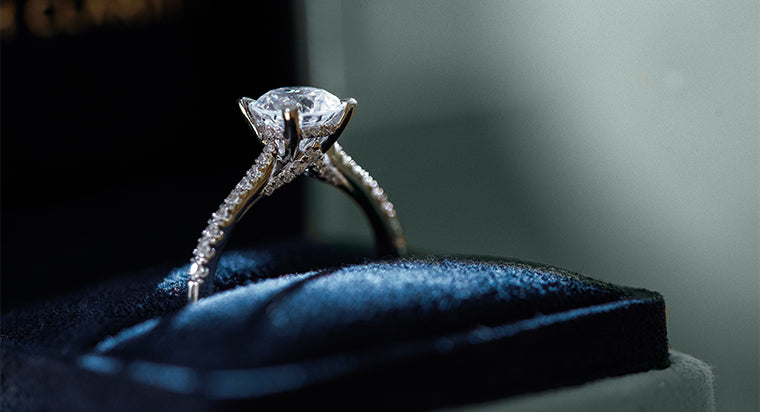

Choosing the perfect engagement ring is one of the most significant decisions a couple can make, and the rise of lab-grown diamonds has introduced exciting possibilities for modern buyers. Lab-grown diamonds are chemically, physically, and optically identical to mined diamonds, offering the same sparkle and durability while often coming at a lower price. For those seeking guidance in navigating this growing market, understanding the essentials of lab-grown diamonds can make the buying process smoother and more confident. Whether you are searching for a timeless solitaire or an intricate halo setting, knowing what to look for ensures your purchase aligns with both your aesthetic and budget preferences. Many shoppers turn to trusted sources such as Lily Arkwright for expert advice and curated selections in this field.
Lab-grown diamonds are created in controlled environments using advanced technological processes that replicate the conditions under which natural diamonds form. The most common methods include High Pressure High Temperature (HPHT) and Chemical Vapor Deposition (CVD). Both techniques result in diamonds that are virtually indistinguishable from natural stones without specialized equipment. For buyers, this means you can enjoy the brilliance and hardness of a natural diamond while often paying significantly less. Additionally, lab-grown diamonds offer an ethical and environmentally-conscious alternative, as they avoid many of the environmental and labor concerns associated with traditional mining.
When selecting a lab-grown diamond engagement ring, it is essential to consider the same factors traditionally used for natural diamonds: the four Cs-cut, color, clarity, and carat weight. Cut determines how well the diamond reflects light and thus its overall sparkle. Color ranges from completely colorless to faint yellow or brown hues, while clarity measures the presence of inclusions or blemishes. Carat weight indicates the size of the diamond but should be balanced with cut and clarity to achieve the most appealing look. Understanding these attributes allows buyers to make informed choices and select a diamond that suits their personal taste and style.
Another key consideration is certification. Reputable lab-grown diamonds come with grading reports from recognized gemological laboratories, providing assurance of the diamond’s quality and specifications. These reports are crucial when comparing diamonds across different retailers, as they offer transparency and confidence in the purchase. Buyers should also evaluate the retailer’s reputation, customer service, and return policies. A trusted jeweler can guide you through options and ensure the ring meets your expectations in both design and craftsmanship.
In addition to quality and certification, consider the design and setting of the engagement ring. Lab-grown diamonds are available in a wide array of shapes, including round, princess, oval, and cushion cuts. The setting not only enhances the diamond’s appearance but also affects its durability and wearability. Popular settings include solitaire, halo, three-stone, and vintage-inspired designs. Matching the setting with lifestyle considerations, such as daily wear or activity level, ensures the ring remains beautiful and practical over time.
Budget is often a decisive factor when choosing a lab-grown diamond engagement ring. One of the most significant advantages of lab-grown diamonds is their cost-effectiveness, allowing buyers to choose a larger or higher-quality stone than they might afford with a mined diamond. Comparing options and understanding the value proposition of lab-grown diamonds empowers buyers to make strategic decisions without compromising on quality or style.
Finally, it is worth considering the long-term satisfaction and symbolism of the ring. Engagement rings carry deep personal meaning, and lab-grown diamonds offer a sustainable, ethical, and visually stunning option that reflects modern values. By combining careful research, attention to quality, and trusted guidance from experts such as Lily Arkwright, buyers can find a lab-grown diamond engagement ring that perfectly represents their love story while making a thoughtful choice for the future.
This comprehensive approach ensures that the process of selecting a lab-grown diamond engagement ring is both enjoyable and informed. With growing popularity and accessibility, lab-grown diamonds provide an excellent alternative that balances beauty, ethics, and affordability, making them an increasingly preferred choice for couples around the world.